
Varicose Vein Ulcers: Causes, Development and Treatment
Varicose ulcers develop as a result of venous insufficiency in the legs. Many patients spend months trying home or traditional remedies to treat these ulcers, but do they really work?



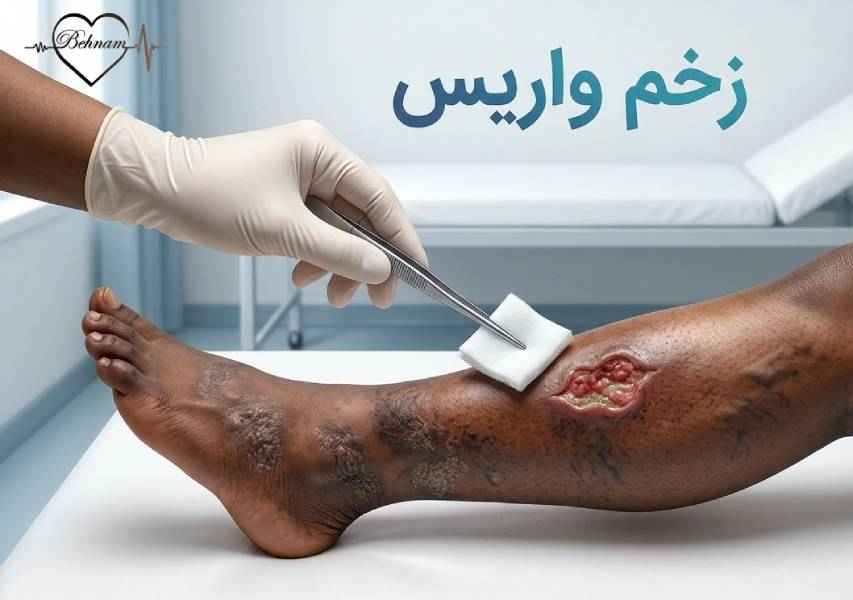
Varicose ulcers develop as a result of venous insufficiency in the legs. Many patients spend months trying home or traditional remedies to treat these ulcers, but do they really work?
Skin around the ankle that has been discolored for months, gradually darkened, and developed a leathery texture can turn into an open wound after the slightest injury or even a minor scratch. These wounds may take weeks or even months to heal. This is precisely the point at which the complications of venous insufficiency progress from a hidden vascular problem or a cosmetic concern to their final stage: a varicose ulcer, also known as a venous leg ulcer.
Many patients spend months trying different ointments, various dressings or even traditional remedies. However, the ulcer remains open or reappears shortly after temporarily healing. The reason is simple: the underlying problem is not in the skin itself but in the damaging pressure building up just a few centimeters below it, inside the veins of the legs.
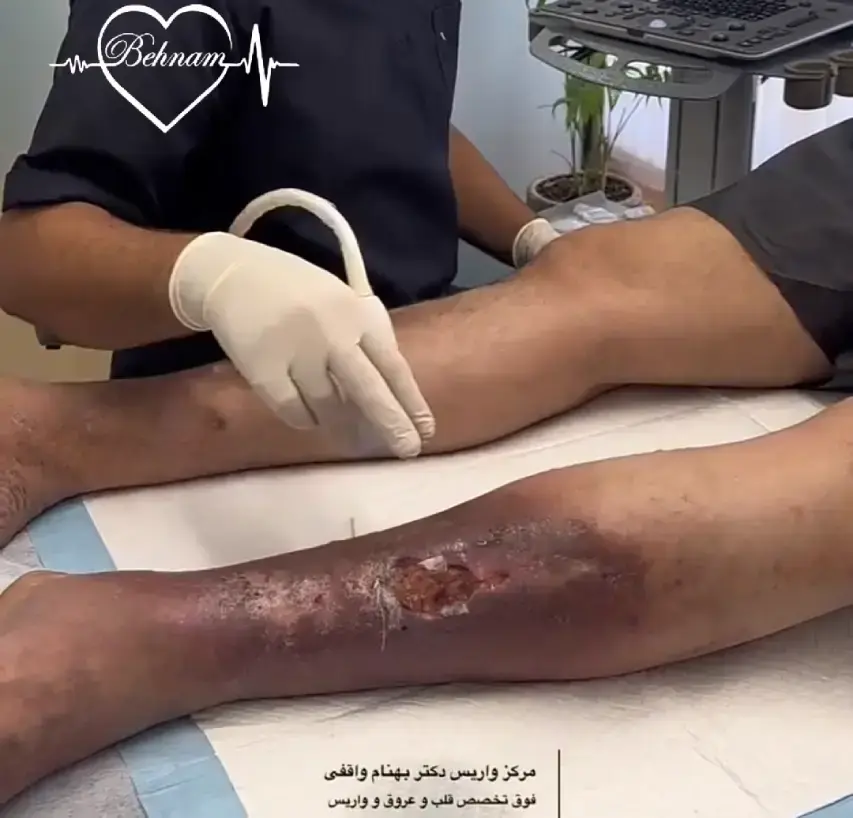
Severe varicose ulcer in one of the patients referred to Dr. Vaghefi's clinic
From Early Varicose Veins to Skin Breakdown
To understand why a dilated vein can eventually damage the skin, imagine blood flow as a municipal plumbing system working against gravity.
Under normal conditions, the veins in the legs carry oxygen-poor blood back toward the heart against the force of gravity. One-way valves inside these veins prevent blood from flowing backward toward the feet.
When these valves become damaged or incompetent, blood leaks backward and flows downward. This condition is known as venous reflux.
The persistent accumulation of blood in the superficial veins significantly increases the hydrostatic pressure in the capillaries surrounding the ankles. As capillary pressure rises, red blood cells are forced through the capillary walls into the surrounding soft tissues and skin.
These red blood cells break down within the tissues and release a substance called hemosiderin. Hemosiderin is the pigment responsible for turning the skin around the ankles brown or dark.
This inadequate tissue nutrition and the accumulation of waste products interfere with oxygen delivery to the tissues. Over time, the skin becomes damaged, loses its elasticity and eventually breaks down under even minor pressure or injury.
Diagnosis and Symptoms of Varicose or Venous Leg Ulcers
Misidentifying the underlying cause of an ulcer is one of the main reasons treatments fail.
Leg ulcers can be arterial (caused by inadequate arterial blood supply), diabetic (associated with nerve damage) or venous in origin.
Venous ulcers typically have distinct characteristics that help differentiate them from other types of wounds:
Location: These ulcers almost always develop on the lower part of the leg, particularly around the medial malleolus (the inner ankle).
Appearance and edges: Venous ulcers usually have shallow, irregular wounds with sloping edges. Unlike arterial ulcers, which tend to be deep and punched-out in appearance, venous ulcers are generally superficial.
Wound drainage: Due to significant fluid accumulation and edema in the surrounding tissues, these ulcers often produce considerable amounts of fluid. As a result, ordinary dressings can become saturated very quickly.
Pain: Pain associated with venous ulcers usually improves when the leg is elevated because venous pressure is reduced. This is exactly the opposite of arterial ulcers, where elevating the leg tends to make the pain worse.
Another important sign that may appear before an ulcer develops is lipodermatosclerosis. In this condition, the tissue beneath the skin around the ankle becomes hard, almost like wood and the leg may develop an inverted champagne-bottle appearance.
Clinical Features of Venous, Diabetic and Arterial Leg Ulcers
| Clinical Feature | Venous Leg Ulcer (Varicose Ulcer) | Diabetic Foot Ulcer | Arterial Ulcer |
|---|---|---|---|
| Typical location | Lower leg, mainly around the medial ankle | Sole of the foot and pressure-bearing areas (such as the ball of the foot or toes) | Tips of the toes, heel, or outer edges of the foot |
| Appearance and edges | Shallow, with sloping and irregular edges | Deep, with well-defined, thickened, callused edges | Deep, punched-out appearance with smooth, well-defined edges |
| Wound drainage | Heavy drainage due to edema and fluid accumulation | Moderate drainage; prone to bacterial infection | Dry, with little or no drainage; may contain black necrotic tissue |
| Wound bed color | Usually red or pink (granulation tissue) | Often pale or gray, sometimes with infected tissue | Pale, yellow, black or gray (dry, devitalized tissue) |
| Surrounding skin | Dark brown (hemosiderin deposits), hardened and leathery (lipodermatosclerosis) | Dry, callused and often insensitive due to neuropathy | Cold, thin, shiny, pale, and hairless |
| Pain | Mild to moderate pain that improves with leg elevation | Often little pain due to diabetic nerve damage (neuropathy) | Severe, chronic pain that worsens when the leg is elevated |
| Foot pulses | Peripheral pulses (such as the dorsalis pedis pulse) are generally normal and palpable | Foot pulses are usually normal | Foot pulses are weak or completely absent |
Can Varicose Ulcers Heal with Ointments and Home Remedies?
If you plaster over a leaking wall, the plaster will quickly become damp and crumble unless you repair the broken pipe behind it. Treating a varicose ulcer with ointments follows exactly the same principle.
Ointments, medical-grade honey, foams and advanced wound dressings all help prepare the skin's surface for healing. However, as long as reverse blood flow (venous reflux) in the great saphenous vein or small saphenous vein, two major veins in the legs, remains untreated, the underlying tissues will continue to be exposed to persistent venous hypertension.
Modern medical guidelines emphasize that treating a venous ulcer should involve two complementary approaches carried out together:
Eliminating the source of venous insufficiency inside the leg
Providing specialized wound care to promote tissue healing and close the skin ulcer
In fact, if the underlying faulty vein is not treated, the risk of the ulcer recurring can exceed 70%, even if the wound initially closes.
Modern Medical Treatments for Varicose Veins and Chronic Venous Ulcers
In modern treatment, older invasive surgical procedures, such as vein stripping, which often involved significant pain and multiple incisions, have largely been replaced by less invasive techniques.
Today, the management of venous ulcers is based on three main pillars:
1. Eliminating Venous Reflux Using Minimally Invasive Procedures
First, a vascular specialist uses a detailed duplex ultrasound scan to identify the main vein responsible for the increased pressure.
The affected vein is then closed from the inside using endovenous laser ablation (EVLA) or radiofrequency ablation (RFA). In some cases, medical adhesive (VenaSeal) or foam sclerotherapy may also be used.
Once the faulty vein is closed, blood is redirected toward healthy deep veins, immediately reducing pressure in the capillaries surrounding the ulcer.
2. Standard Compression Therapy
Compression therapy is the cornerstone of venous ulcer treatment.
Using multilayer compression bandages or specialized high-compression stockings (Class 2 or Class 3) acts like an external pump. This pressure reduces the diameter of the veins, brings the vein valves closer together and significantly decreases leg swelling, allowing excess fluid to move out of the tissues.
Important note: Compression therapy should only be used after arterial obstruction has been ruled out and the ankle-brachial index (ABI) has been assessed by a physician.
3. Debridement and Specialized Wound Dressings
To allow new tissue to grow, dead and yellowish tissue on the wound must be removed by a physician or wound care specialist. This procedure is known as debridement.
After cleaning the wound, modern dressings are selected according to the amount of wound drainage. These may include alginate dressings (derived from seaweed and used to absorb heavy wound drainage), silicone foam dressings or silver-containing dressings to control the microbial load.
4. The Role of Medication Management and Antibiotics in Wound Care
Although the primary treatment for varicose ulcers is mechanical, supportive medications play an important role during the healing process:
Infection Control and Antibiotic Therapy: Antibiotics do not heal the ulcer itself. However, if a secondary infection develops, or if there is extensive redness or purulent discharge (cellulitis), the physician may prescribe medication to control the bacteria and treat the infection. Taking antibiotics or applying greasy ointments without a prescription can interfere with the healing process.
Medications That Improve Blood Circulation (Flavonoids): Medications such as Daflon help strengthen blood vessel walls, reduce capillary permeability, and decrease swelling.
Wound-Healing Supplements: Vitamins, proteins, zinc, and vitamin C may be prescribed to accelerate collagen production and promote wound closure.
Dangerous Mistakes in Home Care for Varicose Ulcers
Incorrect home wound care practices can turn a small ulcer into an extensive infection involving the surrounding tissues or even the bone:
Avoiding Movement Because of Pain: Complete bed rest without moving the legs reduces the effectiveness of the calf muscle pump to almost zero. Regular, gentle walking combined with appropriate wound dressings and compression therapy can significantly accelerate healing.
Using Greasy Ointments or Unverified Herbal Preparations Without Medical Advice: Applying heavy ointments to a wound that produces drainage can trap moisture, causing maceration and whitening of the healthy skin surrounding the ulcer. This creates an environment that encourages bacterial growth.
Cleaning the Wound with Betadine or Alcohol: Betadine and alcohol can damage newly developing cells (fibroblasts) involved in wound healing. Venous ulcers should be cleaned using normal saline solution, as directed by a healthcare professional.
Wearing Compression Stockings Without Checking Arterial Circulation: If a person also has arterial narrowing and independently wears tight compression stockings, blood flow to the foot may become severely restricted or even completely compromised, potentially leading to serious complications.
Prevention of Varicose Ulcers
Following these recommendations plays an important role in maintaining healthy leg skin and preventing venous ulcers:
Wearing Compression Stockings Regularly: Consistent use of standard medical compression stockings as prescribed by a physician, helps prevent blood pooling and increased pressure in the superficial capillaries.
Avoiding Prolonged Standing or Sitting: Changing body position, taking short walks and moving the ankles at regular intervals help keep the calf muscle pump active.
Elevating the Legs During Rest: Raising the legs above heart level for 15 to 20 minutes during the day helps drain accumulated blood and excess fluid from the legs.
Daily Skin Moisturizing and Care: Applying gentle, fragrance-free lotions to healthy skin every day, particularly around the ankles, is essential for preventing dryness, cracking and itching.
Protecting the Legs from Injuries and Scratches: Wearing appropriate clothing and footwear helps prevent injuries, wounds and minor scratches that could contribute to the development of venous ulcers.
Weight Management and Light Exercise: Regular walking and maintaining a healthy weight help reduce excessive pressure on the blood vessels in the legs and pelvis.
Regular Checkups with a Vascular Specialist: Periodic evaluation of the veins using Doppler ultrasound helps identify and treat new cases of venous insufficiency before skin tissue damage occurs.
When Is a Varicose Ulcer a Medical Emergency?
Although a venous ulcer is a chronic condition, certain warning signs require immediate medical attention:
A sudden, foul smell coming from the wound, accompanied by a change in the discharge color to green or dark yellow.
Spreading redness, warmth, and swelling in the skin surrounding the ulcer and extending upward along the leg (signs of cellulitis or a soft tissue infection).
Fever, chills or a general feeling of weakness and malaise.
Severe, spurting bleeding from the ulcer that does not stop with direct manual pressure.
FAQ
Can a Varicose Ulcer Lead to Amputation?
Venous ulcers do not usually cause amputation on their own because arterial blood supply to the leg remains intact. However, if an ulcer develops a severe infection, tissue necrosis (blackening and tissue death) or a bone infection (osteomyelitis) and treatment is neglected, serious tissue complications may occur.
How Long Does It Take for a Varicose Ulcer to Close Completely After Laser Treatment?
After the main affected vein is treated with laser and venous pressure is reduced, the wound-healing process usually accelerates significantly. Depending on the size and depth of the ulcer and the patient's adherence to compression therapy, ulcers generally heal completely within four weeks to three months.
Does a Varicose Ulcer Leave a Scar or Skin Discoloration After Healing?
Skin discoloration caused by hemosiderin deposits may remain for a long time even after the ulcer has closed, although it may gradually become lighter. However, skin thickening and the leathery texture may gradually improve as blood circulation gets better.
Can Compression Stockings Be Worn Over an Open Varicose Ulcer?
Not directly. However, you should consult your specialist about the appropriate approach. First, the ulcer is covered with a suitable sterile dressing. Then, multilayer compression bandaging systems or specialized compression stockings for venous ulcers (which usually consist of two layers) are applied over the dressing.
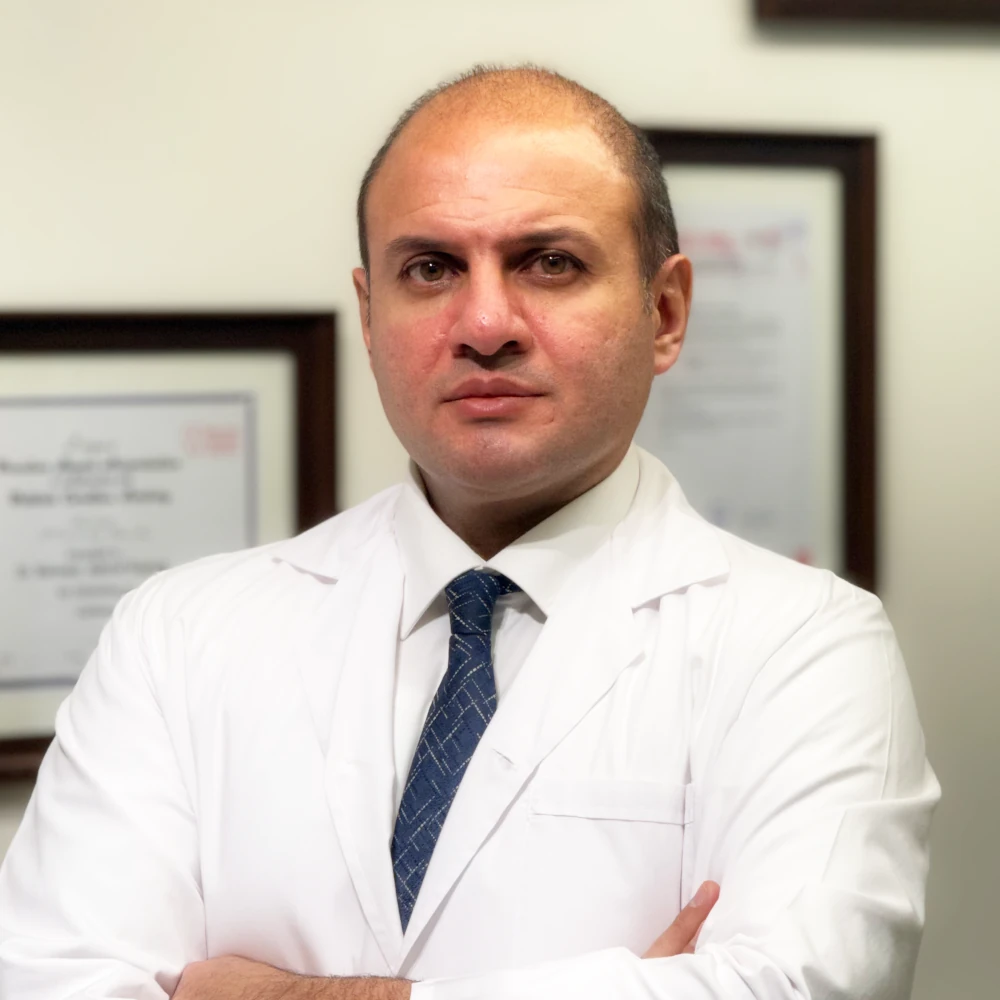
Dr. Behnam Vaghefi holds a fellowship in cardiology and vascular diseases, is a specialist in varicose vein treatment, and is a member of the American and European Heart Associations. This article has been written with the review and approval of Dr. Vaghefi, who is the author of several articles and books on cardiology and vascular diseases, and who has years of experience treating patients in his specialized clinic.
Medical Consultation