Complications of Varicose Veins: A Complete Guide
Varicose vein complications can range from pain and skin discoloration to serious problems such as venous ulcers and blood clots.



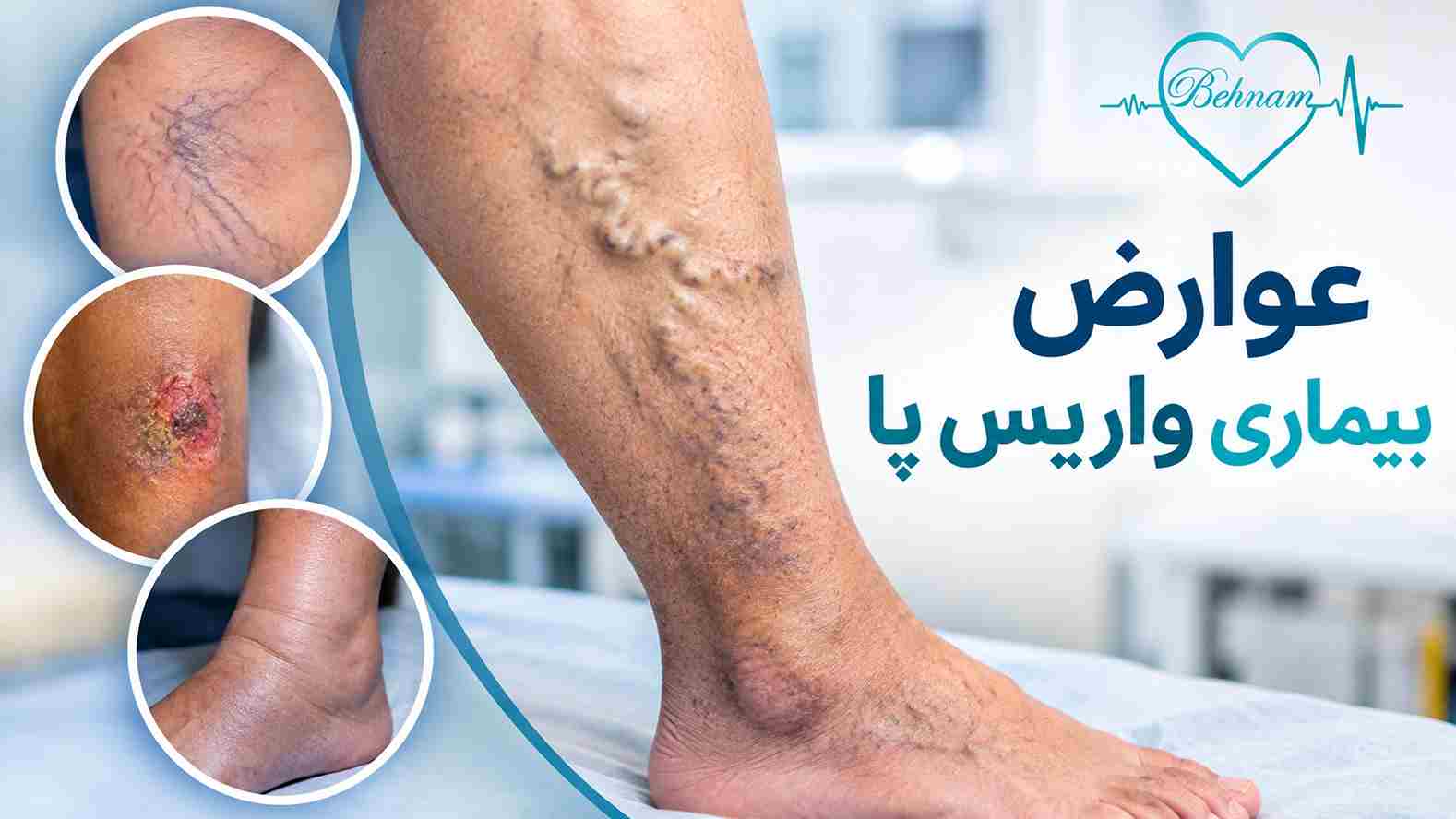
Varicose vein complications can range from pain and skin discoloration to serious problems such as venous ulcers and blood clots.
If you have noticed unusual changes in your legs for some time, you may have come to this page because you are concerned about what they mean. Perhaps persistent itching in your lower legs has become frustrating, the skin around your ankles is gradually becoming darker, or the skin on your legs feels thick, hard and less flexible than before. In more severe cases, you may develop a wound or bleeding that takes a long time to heal and causes considerable concern.
We understand how frightening these changes can be and how much they may affect your daily quality of life. These symptoms can occur as complications of untreated or advanced varicose veins and they may be a sign that the condition needs medical evaluation and treatment.
Early complications of varicose veins
In the early stages, varicose veins may not cause life-threatening complications. However, persistent symptoms can significantly affect mobility, comfort, and quality of life. Many of these symptoms are related to blood pooling in the enlarged veins and impaired venous drainage.
Chronic leg pain, fatigue and a feeling of heaviness
When you stand or sit for long periods, more blood can become trapped in the enlarged veins of the lower legs. This pooling can create a persistent feeling of heaviness, as though weights are attached to your legs.
Varicose vein pain is often described as a dull ache, burning sensation or discomfort that becomes more noticeable toward the end of the day and after prolonged work or activity.
Ankle swelling at the end of the day
When pressure inside the veins becomes elevated, the small blood vessels may become less effective at keeping fluid within the circulation. As a result, fluid can leak into the surrounding tissues, causing edema or swelling of the ankles and lower legs.
Swelling is often less noticeable in the morning after waking up but may gradually become more pronounced toward the evening. In some cases, it can even make wearing shoes uncomfortable or difficult.
Severe, sudden muscle cramps at night
One frustrating complication associated with chronic venous problems is sudden calf muscle cramping during sleep.
When venous blood flow is impaired, changes in tissue fluid balance and muscle function may contribute to painful cramps that can wake a person from sleep.
Restless legs and discomfort during rest
Fluid accumulation and impaired venous drainage may contribute to unpleasant sensations in the legs, such as tingling, pins and needles or a crawling sensation under the skin.
This discomfort may make a person feel the need to move their legs repeatedly. Symptoms can become more noticeable after prolonged sitting or when trying to fall asleep, interfering with nighttime rest.
Skin and tissue complications of varicose veins
When varicose veins or chronic venous insufficiency remain untreated for years, persistent venous hypertension can damage the small blood vessels and surrounding tissues. Fluid, inflammatory substances and red blood cells may leak from the vessels into the tissues beneath the skin.
Over time, these changes can cause inflammation and progressive damage to the skin and subcutaneous tissues. If the underlying venous problem is not treated, a series of painful and difficult-to-manage skin complications may develop.
Varicose eczema and persistent itching
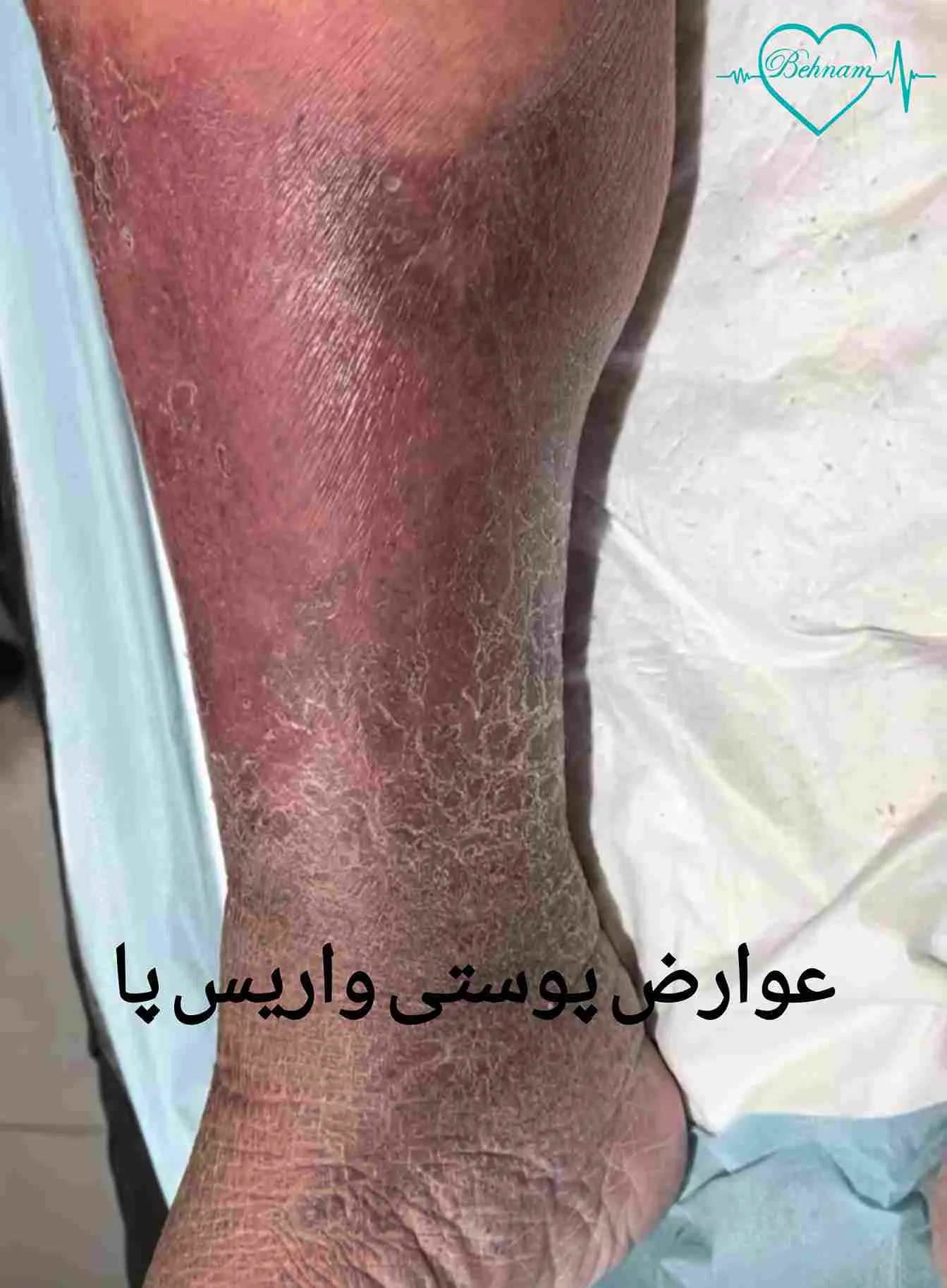
Chronic venous congestion can cause inflammatory fluid to accumulate in the tissues beneath the skin. This inflammation may lead to a condition known as venous eczema or stasis dermatitis.
At this stage, the skin around the ankles and lower legs may become red, dry, scaly and intensely itchy. Ordinary moisturizers may provide only limited relief because the underlying problem is related to chronic venous insufficiency rather than a simple skin condition.
Brown or black discoloration around the ankles
One sign of advanced chronic venous disease is noticeable skin discoloration around the lower legs and ankles.
When small blood vessels are damaged by increased venous pressure, red blood cells can leak into the surrounding tissues and break down. Iron-containing hemosiderin is released during this process and can accumulate in the skin, producing persistent brown or dark discoloration.
The skin may gradually become darker and, in severe cases, almost black.
Hardening of the skin and fatty tissue of the leg
Persistent inflammation can cause the fatty tissue beneath the skin around the ankle to become chronically inflamed and eventually develop fibrosis, or hardening.
This condition, known as lipodermatosclerosis, can make the skin and underlying tissue lose their normal softness and flexibility. The area may become hard, tight, dry and painful.
In advanced cases, the ankle may become noticeably narrower while the lower leg takes on a shape sometimes described as an inverted champagne-bottle appearance.
Varicose ulcers (venous leg ulcers) and infection
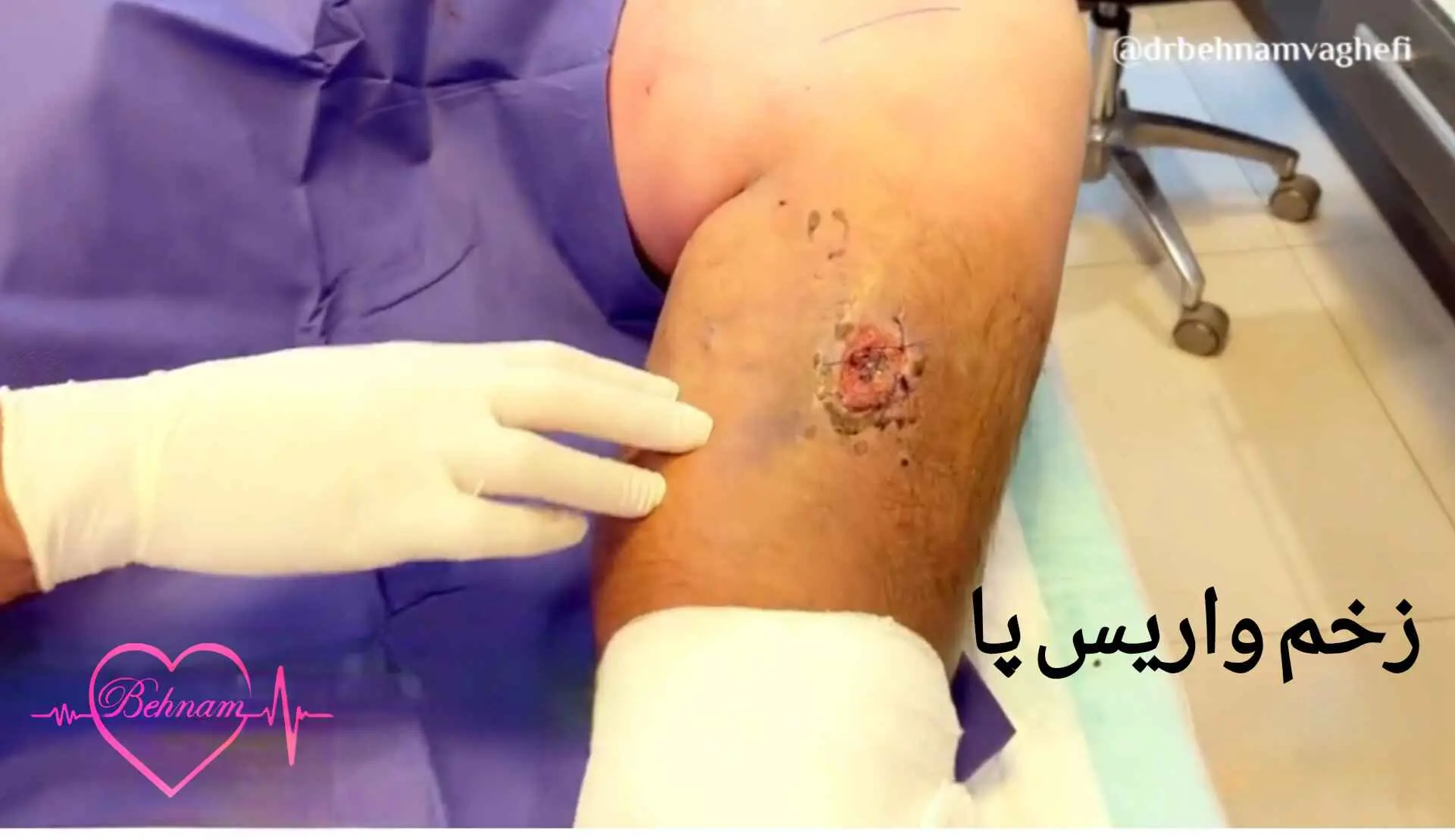
A late complication of untreated chronic venous disease is the development of venous leg ulcers.
Skin affected by lipodermatosclerosis and chronic venous insufficiency can become fragile. Minor trauma, scratching or sometimes spontaneous skin breakdown can lead to an open wound that may be deep and produce fluid.
Venous ulcers commonly develop around the ankle. They can be painful, may take a long time to heal because of impaired venous circulation and can become infected with bacteria.
Acute complications of varicose veins
When the walls of veins become chronically stretched and enlarged, changes in the vessel structure and blood flow can increase the risk of certain acute vascular complications.
Sudden and heavy bleeding from superficial varicose veins
The skin over varicose veins can become thin and fragile over time. At the same time, pressure within the superficial veins may be elevated because of venous blood pooling.
As a result, even minor trauma, scratching or contact with the skin can cause a superficial varicose vein to rupture and bleed significantly.
If this occurs, direct pressure should be applied to the bleeding site and the leg should be elevated. Significant or persistent bleeding requires urgent medical attention.
Superficial thrombophlebitis: painful, inflamed veins under the skin
Slow blood flow in enlarged, twisted veins, together with inflammation of the vein wall, can contribute to blood clot formation.
When a clot develops in a superficial vein, the condition is known as superficial thrombophlebitis. The affected varicose vein may become painful, red, warm, and firm, sometimes feeling like a hard, tender cord beneath the skin.
Although the clot is located in a superficial vein, medical evaluation is important because superficial thrombophlebitis can sometimes extend toward the deep venous system.
Dangerous complications of varicose veins
The most serious complications occur when venous disease extends beyond superficial skin changes and involves the deep veins or causes a potentially life-threatening complication.
These conditions require prompt medical assessment and, in some cases, emergency treatment.
Deep vein thrombosis (DVT): Blood clot in the deep veins of the leg
Venous stasis and other risk factors can contribute to clot formation in the deep veins located within the muscles of the leg.
When a blood clot forms in a deep vein, it is called deep vein thrombosis (DVT).
Possible symptoms include sudden swelling of one leg, making one leg noticeably larger than the other, as well as significant calf pain and redness or discoloration of the skin.
Pulmonary embolism
One of the most serious complications associated with venous blood clots is pulmonary embolism (PE).
If a blood clot from a DVT breaks away, it can travel through the bloodstream toward the heart and then enter the pulmonary arteries. If the clot blocks blood flow in the lungs, it can cause a sudden and potentially life-threatening emergency.
Symptoms may include sudden severe shortness of breath, sharp chest pain, coughing up blood, dizziness, or low blood pressure. A suspected pulmonary embolism requires immediate emergency medical treatment.
Read more: Varicose Veins and Pulmonary Embolism
Pulmonary hypertension and progressive lung damage
In some cases, recurrent small blood clots can travel from the veins to the lungs. Persistent obstruction of pulmonary blood vessels can contribute to increased pressure in the pulmonary circulation.
Over time, certain forms of chronic thromboembolic disease may cause persistent shortness of breath and place strain on the heart and lungs.
When should varicose vein complications be considered dangerous?
Recognizing warning signs early is important because there is a significant difference between uncomplicated varicose veins and potentially serious vascular complications.
Many people ignore early symptoms until the condition becomes more advanced. If you or someone around you develops any of the following symptoms, seek urgent medical evaluation:
Sudden and severe swelling of one leg, especially with redness or bluish discoloration of the skin
Severe pain and a hard, warm, tender cord along the course of a vein in the leg
Sudden shortness of breath, sharp chest pain, or coughing up blood
A new ulcer, significant darkening, or severe thinning of the skin around the ankle
Heavy bleeding from a varicose vein that does not stop after several minutes of firm direct pressure
Preventing complications of varicose veins
Fortunately, the progression of chronic venous disease and many of its complications can often be managed with appropriate medical care and lifestyle measures. A structured treatment and follow-up plan can help reduce the risk of skin damage and other complications.
Wear properly fitted compression stockings: Medical compression stockings apply graduated pressure, with greater pressure around the ankle and gradually less pressure higher up the leg. They can help improve venous return and reduce leg swelling in appropriate patients.
Avoid prolonged sitting and standing: Changing position regularly, walking daily and elevating the legs during rest can help reduce venous pressure and improve comfort.
Have a specialist evaluation with Doppler ultrasound: A color Doppler ultrasound is commonly used to assess the veins, venous valves, blood flow and possible venous reflux. It can help identify the underlying venous problem and guide treatment planning.
Consider modern minimally invasive treatments: Many patients can now be treated without traditional major vein surgery. Depending on the type and severity of venous disease, treatment options may include sclerotherapy, endovenous laser treatment (EVLT/EVLA), radiofrequency ablation, and medical adhesive closure such as VenaSeal.
The appropriate treatment should be selected after a vascular evaluation and duplex ultrasound.
FAQ
1. What are the complications of leaving varicose veins untreated?
In the early stages, varicose veins may mainly cause heaviness, fatigue, discomfort, and cosmetic concerns. If chronic venous insufficiency progresses without appropriate treatment, increased venous pressure may contribute to chronic skin changes, discoloration, venous eczema, lipodermatosclerosis, venous leg ulcers, and blood clot-related complications.
2. Can complications of varicose veins lead to amputation?
Usually, no. Varicose veins are a disorder of the venous system and do not typically cause the severe loss of blood supply associated with advanced arterial disease.
However, chronic venous ulcers can become infected if they are not properly treated and cared for. Severe infection can threaten the health of the affected leg and requires urgent medical attention.
3. What is the most dangerous complication associated with varicose veins?
One of the most serious complications associated with venous thromboembolism is pulmonary embolism. It can occur when a blood clot forms in a deep vein of the leg, known as DVT, breaks away and travels to the lungs, where it can block pulmonary blood flow. Pulmonary embolism is a medical emergency.
4. When do skin complications of varicose veins begin, and what do they look like?
Skin complications usually develop after prolonged chronic venous insufficiency. They may begin with itching, dryness and venous eczema, followed by brown or dark skin discoloration caused in part by hemosiderin deposition. In more advanced disease, the tissues around the ankle may become hardened and painful, and venous ulcers may develop.
5. Does a blood clot in a varicose vein always cause a pulmonary embolism?
No. Clots that develop in superficial veins, such as those associated with superficial thrombophlebitis, commonly cause localized pain, redness, warmth and tenderness.
The risk of a pulmonary embolism is primarily associated with clots that form in the deep veins or extend into the deep venous system. Any suspected blood clot should be medically evaluated.
6. Can varicose vein complications such as dark skin and leg ulcers be treated with medication?
Medications and topical treatments may help control symptoms such as inflammation, itching or pain but they do not usually correct the underlying abnormal vein responsible for chronic venous hypertension.
When an incompetent vein is responsible for significant venous reflux, definitive treatment may involve procedures such as endovenous laser treatment, radiofrequency ablation, sclerotherapy or other appropriate vein-closure techniques.
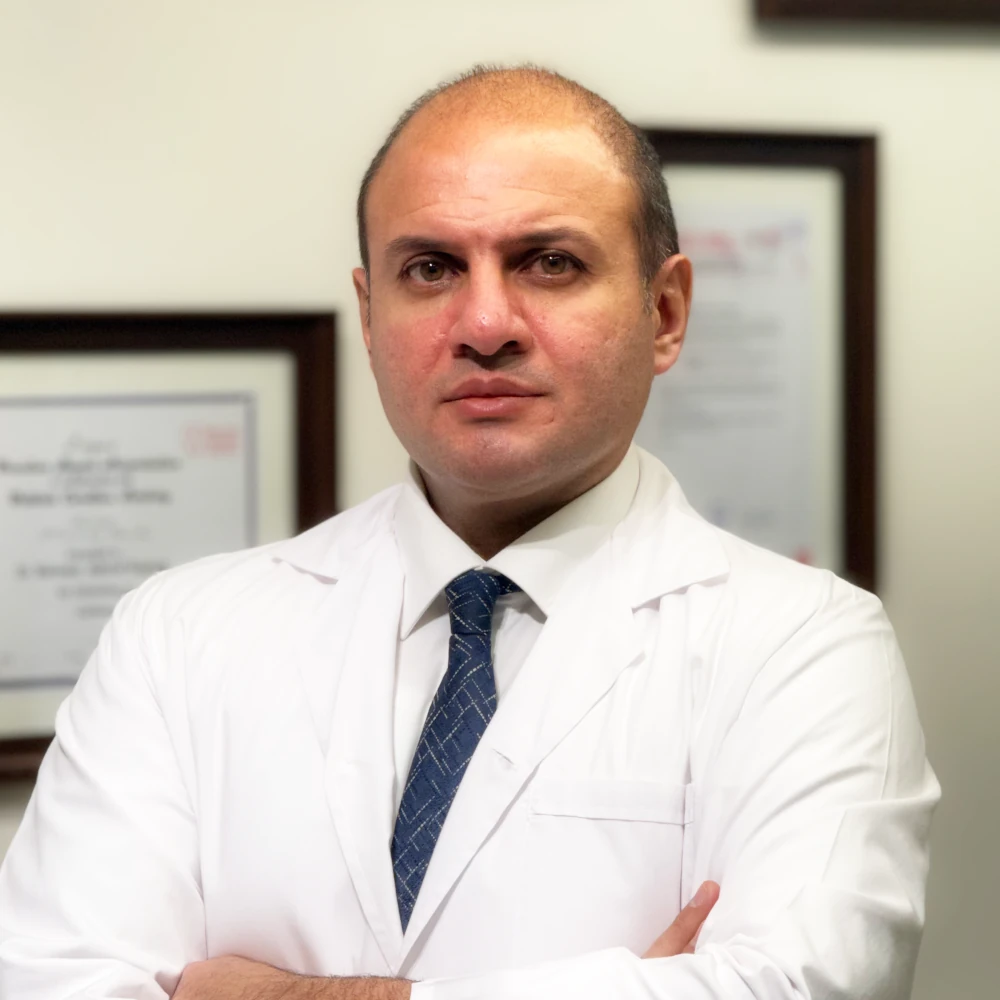
Dr. Behnam Vaghefi holds a fellowship in cardiology and vascular diseases, is a specialist in varicose vein treatment, and is a member of the American and European Heart Associations. This article has been written with the review and approval of Dr. Vaghefi, who is the author of several articles and books on cardiology and vascular diseases, and who has years of experience treating patients in his specialized clinic.
Medical Consultation