17 Traditional Medicine and Home Remedies for Varicose Veins [Scientific Review]
Many patients prefer to treat their varicose veins with traditional medicine and home remedies. But can these methods truly provide a definitive cure for varicose veins?




Many patients prefer to treat their varicose veins with traditional medicine and home remedies. But can these methods truly provide a definitive cure for varicose veins?
Despite medical advancements and easier access to healthcare, many people still prefer to turn to home remedies or traditional medicine to treat their ailments. Consequently you will find a wide variety of methods for treating varicose veins on the internet and in various sources. But can these methods truly provide a definitive and practical cure for this condition?
To answer this, it must be said that given the diversity and abundance of these methods the lack of scientific research and studies on their efficacy and the different responses individuals have to treatment, there is still no precise scientific data on the satisfaction of those who have used them.
These types of treatments especially when symptoms are severe, cannot replace medical procedures. A vascular clinic in England in an article titled "5 Popular Home Remedies for Varicose Veins and Why They Don't Work" states that there is no medical evidence or scientific proof confirming the effectiveness of these methods.
Varicose Veins and the Diversity of Home and Traditional Treatments
Varicose veins occur due to weakness and insufficiency of the valves and veins in the legs with blood pooling in these veins causing them to swell and become varicose. Various factors such as genetics, age, gender, injury and pressure, prolonged standing or sitting, etc., can play a role in their development. The existence of different types of varicose veins leads to variations in their nature and severity among patients.
Therefore a treatment deemed effective by a specialist doctor for one person might be ineffective or even harmful for another. Today there is a great variety of methods in medicine for treating different types of varicose veins. This very fact proves that not all varicose vein patients can be treated with a single medical method simply because they have varicose veins; this is one reason for the diversity in varicose vein treatments.
So can all varicose vein patients be cured with a single home or traditional remedy?
Reasons for Using Traditional Medicine and Home Remedies
The inclination of some patients to use traditional medicine or home remedies for varicose veins can be due to the following reasons:
The Natural Aspect: The use of medicinal or dietary herbs leads some patients to believe that being natural and non-chemical, these substances have no side effects or risks, fostering greater trust in their use. However the side effects of some herbal medicines can be no less than those of chemical drugs.
Lower Cost: These methods generally cost less compared to medical treatments making them a natural preference for many. However since delaying treatment for a disease can sometimes lead to it becoming chronic and more severe, postponing medical treatment may end up costing you more.
Belief in Efficacy: Traditional medicine has been used from the past to the present for treating many illnesses. But we must accept that just as modern medicine cannot cure all diseases, traditional medicine is also not capable of doing so.
If a treatment works for one person it does not necessarily mean it is suitable for everyone. This is because every ailment, including varicose veins, has different causes, types and levels of severity. Even medical treatments for varicose veins require a doctor's diagnosis and vary according to the patient's condition.
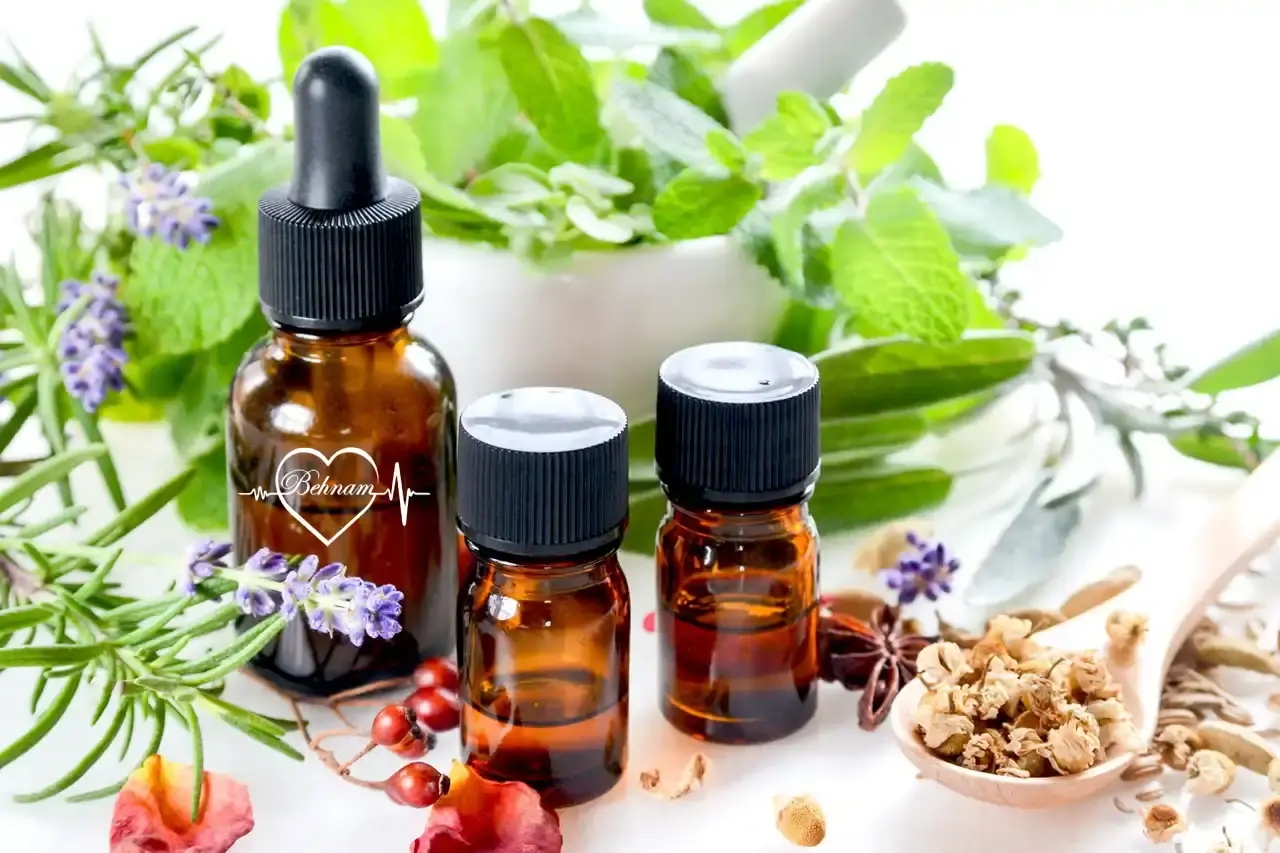
Reviewing the Best Home Remedies and Traditional Medicine Methods for Treating Leg Varicose Veins
Many patients prefer to treat their leg varicose veins using home remedies and traditional medicine. But can these methods really provide a definitive and scientifically proven treatment? Below, we have scientifically examined the effects of the most important methods.
Scientific Comparison Table of 17 Home and Traditional Remedies for Varicose Veins
| Method / Substance | Category | Definitive Treatment for Varicose Veins | Actual Effect Based on Scientific Evidence |
|---|---|---|---|
| Apple cider vinegar | Oral/topical | Ineffective | No restorative effect; only a temporary cooling sensation |
| Garlic | Oral/topical | Ineffective | Beneficial for cardiovascular health when consumed; potentially harmful when applied to the skin |
| Khakshir (Descurainia sophia seeds) | Herbal drink and laxative | Ineffective | Helps relieve constipation and reduce abdominal pressure |
| Salt water (foot soak) | Physical method | Ineffective | Temporarily reduces swelling; hot water is harmful for varicose veins |
| Red pepper and ginger | Stimulant spices | Ineffective | Stimulate circulation; may increase pressure when the valves are damaged |
| Henna and poultices | Topical application | Ineffective | Relieve superficial itching; do not penetrate deeply into the veins |
| Olive oil | Massage oil | Ineffective | Acts as a lubricant for gentle massage and lymphatic therapy |
| Black seed oil | Topical oil | Ineffective | Temporarily reduces muscle pain; has no structural effect |
| Essential oils (lavender) | Aromatherapy | Ineffective | Relieve muscle spasms; have no effect on venous insufficiency |
| Commercial ointments and creams | Topical creams | Ineffective | Do not pass through the skin; only provide temporary cooling |
| Horse chestnut | Herbal supplement | Confirmed reduction in swelling and pain | Confirmed for controlling venous symptoms |
| Grape seed extract and grape leaf extract | Vascular supplement | Vascular support | Strengthen capillary walls and reduce superficial swelling |
| Witch hazel | Astringent herbal extract | Superficial astringent effect | Relieves itching and skin inflammation over the veins |
| Leech therapy | Interventional traditional medicine | No therapeutic effect | Temporary blood removal; high risk of infection and ulcers |
| Cupping and suction therapy | Physical traditional medicine | No therapeutic effect | Temporary blood removal; high risk of disease recurrence and infection |
| Elevating the legs | Physical measure | Excellent symptom control | Recommended for reducing venous pressure |
| Exercise and gentle walking | Physical activity | Excellent symptom control | Blood is pumped by the calf muscles |
Treating Leg Varicose Veins with Apple Cider Vinegar
Common belief: Consuming apple cider vinegar or applying it to the legs constricts varicose veins and makes prominent veins disappear.
Scientific review: There is no proven clinical evidence or medical trial demonstrating that apple cider vinegar can repair damaged venous valves. According to clinical reports published by UK Vein Clinic, topical application of apple cider vinegar creates only a temporary cooling sensation due to its rapid evaporation from the skin and reduces superficial burning, but it has no effect on changing the structure of the veins.
Treating Leg Varicose Veins with Garlic
Common belief: Because of its strong anti-inflammatory properties, garlic eliminates varicose veins and purifies the blood.
Scientific review: Studies published in [source name missing in the original text] indicate that garlic contains allicin compounds that support general vascular health, but it does not have the physical ability to close or repair a dilated vein. In addition, according to dermatology literature, applying crushed garlic to the skin carries significant risks, including allergic reactions and skin blisters.
Treating Leg Varicose Veins with Flixweed (Descurainia sophia) Seeds
Common belief: Flixweed treats swelling and varicose veins in the legs by cleansing the liver and improving blood circulation.
Scientific review: According to research, flixweed has anti-inflammatory effects and helps reduce inflammation in the body. It also helps eliminate excess fluids from the body and relieve constipation, which prevents an increase in intra-abdominal pressure and indirectly reduces pressure on the veins in the legs. However, it has no direct mechanism for correcting valvular insufficiency in varicose veins.
Washing and Soaking the Feet in Salt Water
Common belief: Soaking the feet in warm or lukewarm salt water completely eliminates leg swelling and reduces the size of prominent veins.
Scientific review: A salt-water foot soak can only temporarily reduce interstitial fluid through the process of osmosis. As Dr. Richard Kimmel states, salt water neither treats nor eliminates varicose veins. However, you should be careful because using hot water causes further dilation of the veins and worsens the symptoms of venous insufficiency over the long term!
Red Pepper and Ginger for Leg Varicose Veins
Common belief: Red pepper and ginger warm the body and increase blood circulation, thereby removing clots and blockages in varicose veins.
Scientific review: According to research, pepper contains capsaicin and ginger contains gingerol, both of which stimulate peripheral circulation. However, in varicose vein disease, the main problem is not the speed of blood flow but the backward flow of blood due to faulty valves. Therefore, increasing blood flow without repairing the valves only increases the internal pressure in the veins.
Treating Varicose Veins with Henna
Common belief: Applying henna to the legs tightens the skin, strengthens vein walls and makes prominent veins disappear.
Scientific review: According to herbal pharmacology literature on PubMed, henna has astringent and superficial anti-inflammatory properties that may reduce itching or skin inflammation. However, henna's compounds cannot penetrate deeply into the dermal tissue and vein walls. Therefore, the claim that it can “treat and eliminate varicose veins” is not scientifically supported.
Treating Leg Varicose Veins with Olive Oil
Common belief: Massaging the legs with warm olive oil softens the vein walls, improves blood circulation, and eliminates varicose veins.
Scientific review: According to studies, olive oil is a rich source of vitamin E and can be used to moisturize the skin on the legs. The positive effect of gentle massage with this oil results from improved lymphatic drainage caused by the hands, not from the absorption of the oil into the veins.
Chamomile oil, lavender and rosemary oil, lemon oil, neroli oil and peppermint oil are among the oils recommended in many traditional medicine sources for massaging varicose veins. These oils can only help in relieving symptoms and reducing heaviness and fatigue in the legs.
Black Seed Oil for Varicose Veins
Common belief: Black seed oil, considered a potent warming oil in traditional medicine, eliminates the dark discoloration and bulging of varicose veins.
Scientific review: Pharmacological studies of black seed extract have shown that thymoquinone, its active compound, has anti-inflammatory properties and may relieve localized pain. However, there is no evidence that this oil can regenerate damaged vascular valves.
Lavender, Cypress and Chamomile Oils
Common belief: Applying and massaging the legs with lavender or cypress extract reduces swelling and makes the veins shrink.
Scientific review: According to articles published by UK Vein Clinic, using aromatic essential oils may reduce leg muscle fatigue because of their aromatherapy and antispasmodic properties. These oils have mild anti-swelling effects in soft tissues but do not have any therapeutic effect on deep venous insufficiency.
Advertised Varicose Vein Creams and Ointments
Common belief: Regular use of herbal or commercial varicose vein ointments completely eliminates prominent and spider veins.
Scientific review: It is important to keep in mind that the skin's structure acts as a barrier that prevents therapeutic substances from passing into the veins. Even the best varicose vein ointment can only improve symptoms such as pain, fatigue, heaviness, swelling and itching caused by varicose veins. It cannot eliminate or cure a varicose vein. Therefore, do not expect miracles from these ointments, because no ointment can penetrate the skin, reach a faulty vein, and treat it.
Horse Chestnut Extract
Common belief: Horse chestnut tablets and herbal supplements can shrink varicose veins and return them to their original state.
Scientific review: According to reputable systematic reviews, aescin, the active compound in this extract, has a demonstrated ability to reduce capillary permeability and remove interstitial fluid. One study indicates that horse chestnut extract is an effective and safe short-term treatment for chronic venous insufficiency and its effectiveness is comparable to that of compression stockings.
Treating Varicose Veins with Grape Leaves
Common belief: Drinking grape leaf tea or using grape leaf extract strengthens the veins, completely restores the walls of varicose veins, and eliminates prominent veins.
Scientific review: Grape leaves are rich in flavonoid compounds, particularly quercetin and isoquercitrin. These compounds have anti-inflammatory and vascular-protective properties. By reducing capillary permeability, they help control swelling, heaviness and leg pain. However, they have no therapeutic effect on the mechanical repair of faulty venous valves and such an effect has not been scientifically established.
Witch Hazel Extract
Common belief: Applying witch hazel pads or gel makes prominent leg veins disappear.
Scientific review: According to information from UK Vein Clinic, this plant has strong astringent properties due to its high tannin content and can relieve itching or skin irritation over the veins. However, it has no effect on the internal structure of the veins.
The Effect of Leech Therapy on Leg Varicose Veins
Common belief: Leeches suck dirty blood and clots out of varicose veins, restore blood circulation, and provide a definitive cure for varicose veins.
Scientific review: As you can see in the video included in the article, leech therapy only creates a temporary feeling of lightness by removing blood locally. It does not help correct venous valve insufficiency. Furthermore, there are risks of severe bacterial infections, prolonged bleeding and permanent ulcers at the leech bite site.
This method has become very common for treating leg varicose veins in recent years. Like the previous methods, it reduces symptoms and creates a feeling of lightness in the legs by removing blood. Unfortunately, however, patients who had undergone this treatment and visited our clinic had not been cured of their leg varicose veins and leech therapy had not been effective. Some patients had also developed complications such as bleeding, ulcers and permanent discoloration at the leech bite site.
Cupping and Suction Therapy for Leg Varicose Veins
Common belief: Cupping on the calf or suction therapy treats congestion and dark discoloration in varicose veins.
Scientific review: A health blog states that people with varicose veins should avoid cupping because the cups should not be placed directly over varicose veins. Strong suction may damage fragile veins and increase the risk of rupture, bleeding and clots.
Like leech therapy, cupping may temporarily relieve pain by removing a limited amount of blood. However, because it does not address venous pressure or valve insufficiency, the disease may recur after some time, and there is a risk of infection in non-medical settings.
Elevating the Legs
Common belief: Elevating the legs several times a day helps reduce swelling.
Scientific review: Raising the legs above heart level several times a day, for 15–20 minutes each time, uses gravity to facilitate venous return and significantly reduce pressure inside the veins.
Exercise and Walking for Leg Varicose Veins
Common belief: Exercise and walking are beneficial for legs affected by varicose veins.
Scientific review: In medicine, the calf muscles are known as the “second heart.” Gentle walking, swimming and cycling cause rhythmic muscle contractions that pump blood upward and prevent blood from pooling.
Weight loss, avoiding prolonged standing or sitting, appropriate exercises for varicose veins, elevating the legs several times a day and using compression stockings are among the measures effective in preventing and reducing the pain and discomfort of varicose veins.
Conclusion
Ultimately, traditional medicine and home remedies can only help reduce and relieve symptoms and sometimes contribute to preventing varicose veins. However, these methods cannot be considered a definitive treatment, especially for severe and chronic varicose veins. Additionally the presence of varicose veins may sometimes be a sign or symptom of another underlying disease or problem that needs to be investigated. In such cases identifying the cause is more important than the treatment itself.
The final recommendation is that a combination of traditional and medical methods can serve as the best treatment for varicose veins, especially after the cause and type of varicose veins have been examined and determined by a doctor.
Today due to advancements in varicose vein treatment, there are numerous methods such as laser therapy that allow you to easily treat your varicose veins in a single session without discomfort or bleeding, eliminating the need to spend months or even years trying various home and traditional methods!
Frequently Asked Questions (FAQ)
1. Is using apple cider vinegar effective in treating varicose veins?
There is no reliable scientific or medical evidence for the effectiveness of apple cider vinegar whether taken orally or applied topically. Rubbing apple cider vinegar on the skin may temporarily create a cooling sensation and relief but has no therapeutic effect.
2. Can home remedies and traditional treatments for varicose veins have side effects?
Yes, for example some medicinal herbs like horse chestnut used for treating varicose veins may cause digestive problems or drug interactions. Also as mentioned, methods like leech therapy carry risks of infection or allergic reactions.
3. Can home remedies and traditional medicine completely cure varicose veins?
No, home and traditional methods cannot completely cure varicose veins because varicose veins result from a structural defect in the veins and venous valves and the varicose veins themselves are damaged. Therefore it cannot be expected that these methods would be effective; they can only help alleviate symptoms and pain.
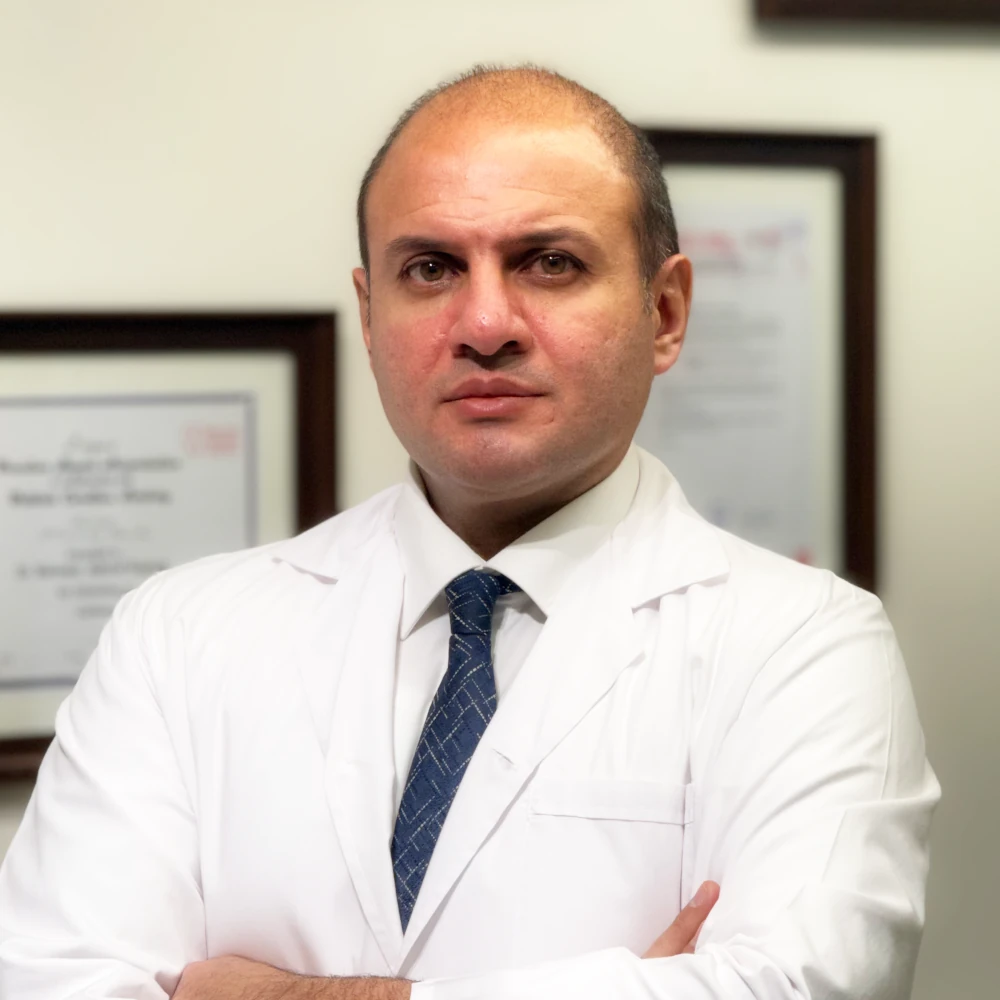
Dr. Behnam Vaghefi holds a fellowship in cardiology and vascular diseases, is a specialist in varicose vein treatment, and is a member of the American and European Heart Associations. This article has been written with the review and approval of Dr. Vaghefi, who is the author of several articles and books on cardiology and vascular diseases, and who has years of experience treating patients in his specialized clinic.
Medical Consultation