Is Leg Varicose Vein Disease Dangerous and Potentially Fatal?
Varicose veins are usually not life-threatening but if accompanied by a complication such as pulmonary embolism, they can be dangerous and potentially fatal in rare cases.




Varicose veins are usually not life-threatening but if accompanied by a complication such as pulmonary embolism, they can be dangerous and potentially fatal in rare cases.
If we want to answer the question briefly and generally: No, varicose veins are not fatal in most cases.
However according to studies on severe varicose veins and mortality risk patients with varicose veins are at higher risk of cardiovascular events, death and if complicated by conditions such as pulmonary embolism, severe blood loss, widespread infection or combined with underlying diseases like heart, kidney or diabetes especially in the elderly it can rarely become fatal.
Risks of Varicose Veins
There is still no precise statistic on deaths caused by varicose veins because accurately estimating this issue is complex and depends on various factors such as underlying diseases, type of treatment, age, gender and resulting complications.
But the most important complications of varicose veins that you must take seriously and can be life-threatening are:
Pulmonary embolism caused by varicose veins
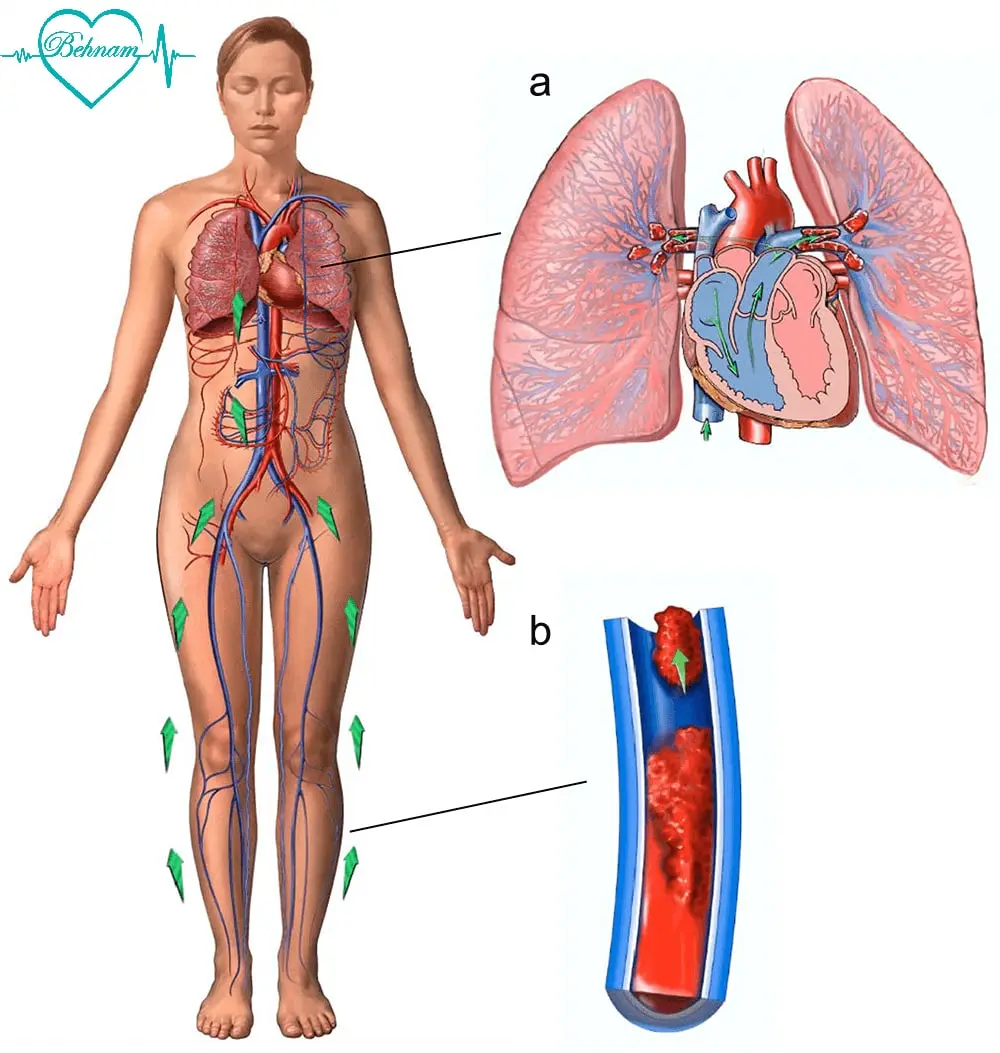
The main reason varicose veins are included on the list of concerning complications is the risk of a blood clot traveling to the lungs. This complication occurs when a blood clot formed in the leg breaks loose, travels through the bloodstream and blocks the main blood vessels in the lungs. Blockage of the pulmonary vessels causes severe shortness of breath, sharp chest pain, a sudden drop in blood oxygen levels and, in some cases, sudden death.
The veins in the legs are divided into two groups: superficial and deep veins.
Superficial veins: These are the prominent, purple-colored veins that we know as varicose veins.
Deep veins: These are located deep within the leg muscles and clot formation in them is the main cause of clots traveling toward the lungs.
Although large clots usually form within the deep veins, severe and untreated superficial varicose veins can cause significant slowing of blood flow and persistent inflammation of the vein walls, creating considerable pressure. This pressure and the slow movement of blood are transmitted to the deeper veins through connecting veins, creating the conditions for dangerous clots to form and travel toward the lungs.
Not all clots are associated with sudden death. In many patients, very small clots continuously and silently travel from diseased veins toward the lungs. Over time, this process causes gradual damage to lung tissue and increases blood pressure in the lungs. This is a dangerous complication that may lead to severe lung and heart failure years later.
We recommend reading the article The Relationship Between Leg Varicose Veins and Pulmonary Embolism for more information.
Severe bleeding
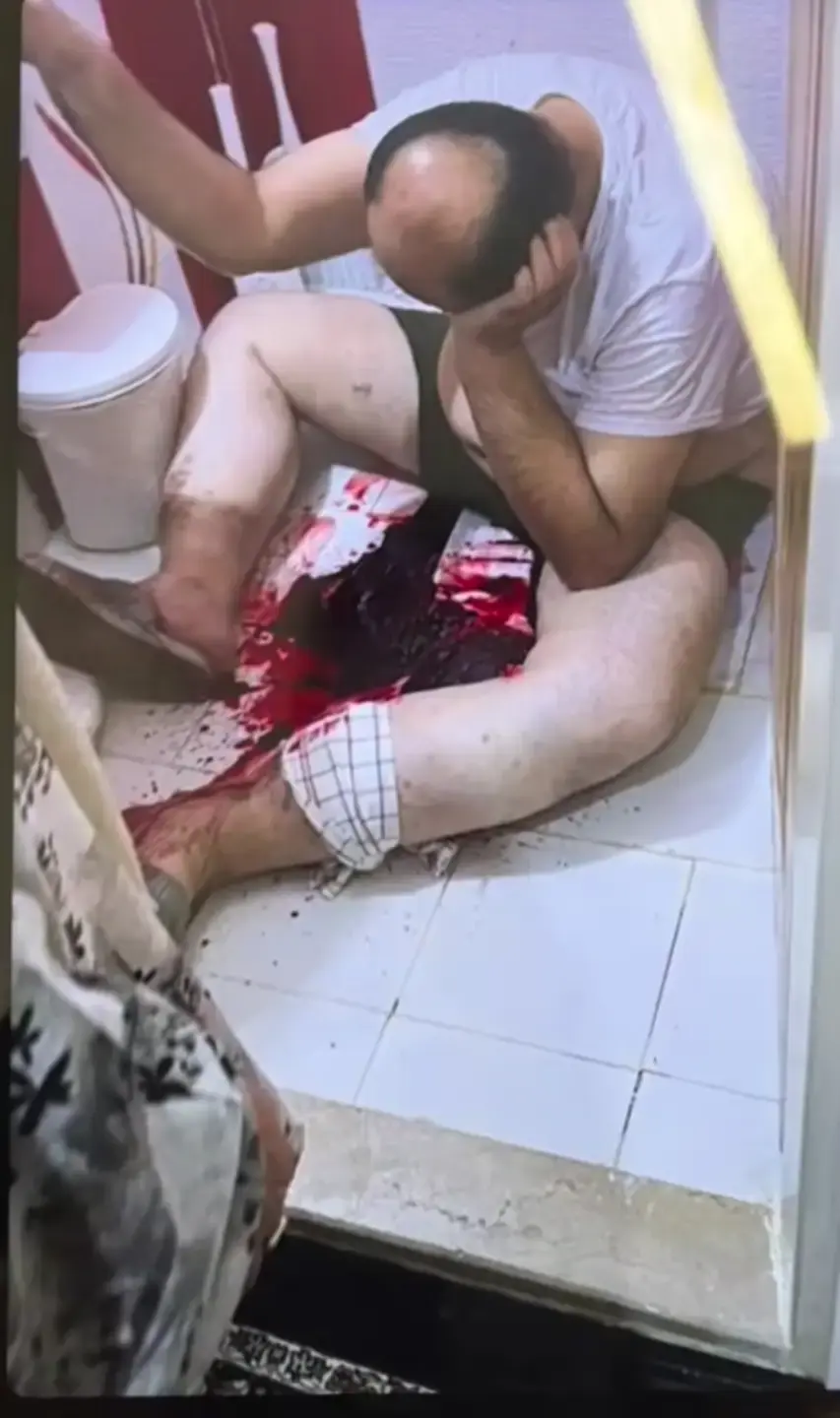
Weakening of vein walls in varicose veins and blood accumulation in them cause the veins to rupture and bleed if struck or pressured. Severe blood loss due to varicose veins may cause hypovolemic shock which occurs due to insufficient oxygen delivery because of blood loss. This complication can lead to death.
Widespread infection
Ulcers caused by varicose veins can become infected if not treated. If this infection spreads it can damage internal organs. Also if the infection enters the bloodstream it becomes extremely dangerous.
Tissue death
Reduced blood flow due to varicose veins in vessels causes the limb tissue not to receive enough blood for nutrition and oxygen leading to tissue death and limb damage.
Factors That Increase the Risk of Death from Varicose Veins
Among the important factors that multiply the danger of varicose veins are the following:
Underlying diseases
Heart, kidney, lung and diabetes diseases increase the risk of varicose veins. Therefore if you suffer from any of these diseases definitely take varicose veins treatment seriously and do it under the supervision of an experienced specialist.
Old age
Elderly people especially the very old are more sensitive to some complications such as infection due to weakened immune systems and reduced body efficiency. Therefore older adults need to be more serious and follow-up in this regard.
Neglecting and not treating varicose veins
Neglecting and not treating varicose veins will make it more severe and chronic. The more the disease progresses the greater its complications and risks.
Learn more: What Are the Complications of Leg Varicose Veins?
Conclusion
Although varicose veins rarely cause death directly, complications such as pulmonary embolism or infection that can be fatal are associated with varicose veins.
Therefore especially if you have underlying diseases or are elderly, early prevention and treatment seem very important and necessary.
FAQ
1. Can varicose veins cause a heart attack or a stroke?
Not directly.
Clots caused by varicose veins and venous insufficiency are usually located in the venous system and travel toward the lungs (pulmonary embolism). However, the clots that cause heart attacks or strokes form in the arteries. Nevertheless, the presence of severe varicose veins indicates a disorder in the body's overall blood circulation and leaving it untreated can place additional strain on the cardiovascular system.
2. How can I tell whether my varicose veins are ordinary and harmless or have reached a dangerous stage?
Ordinary varicose veins usually present only as spider veins or small, painless bulges. However, if they are accompanied by symptoms such as sudden swelling in one leg, severe pain and warmth in the calf, darkening and leathery changes in the skin around the ankle, the development of ulcers or bleeding from a vein, this means the disease has progressed and should be evaluated promptly by a vascular specialist.
3. Can a blood clot caused by superficial varicose veins also reach the lungs?
Superficial varicose veins are not directly connected to the lungs, but slow blood flow in these veins can cause inflammation and clot formation. If this inflammation is not treated, the clot can extend through connecting veins into the deep veins of the leg and then travel toward the lungs, which is a medical emergency.
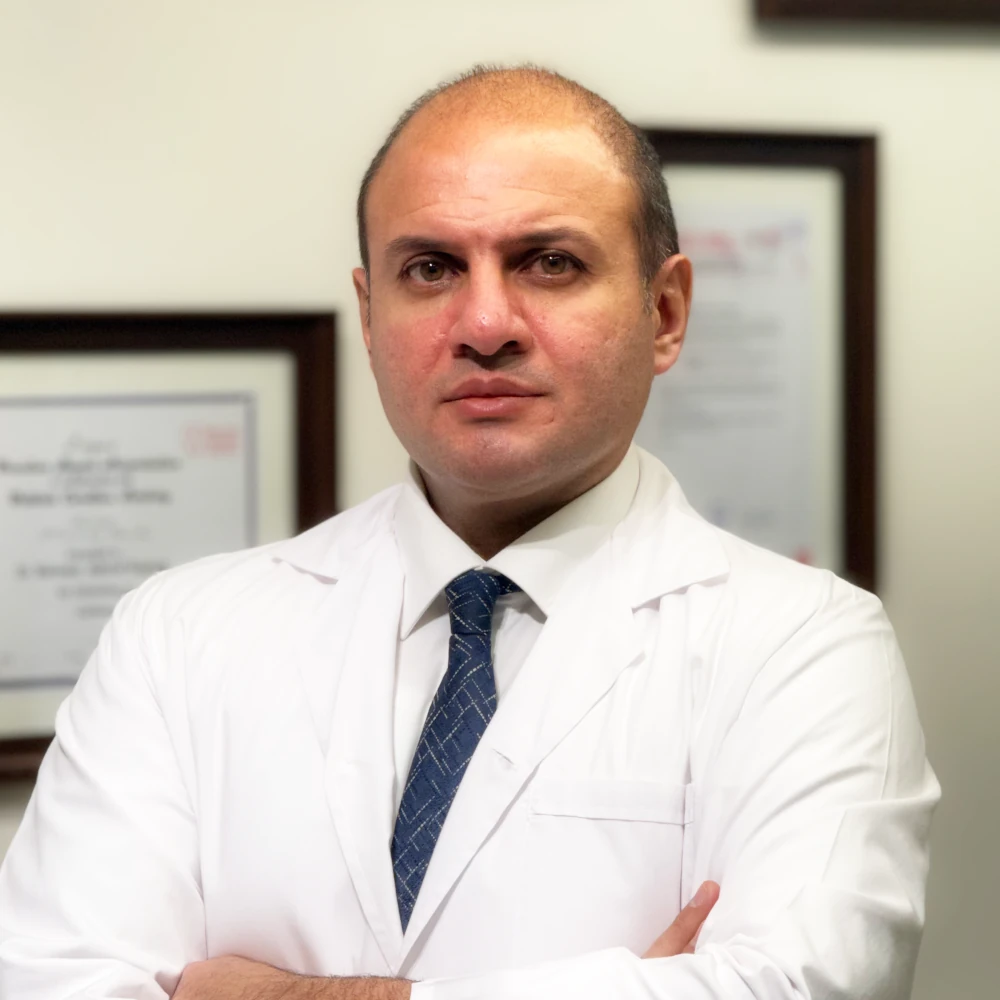
Dr. Behnam Vaghefi holds a fellowship in cardiology and vascular diseases, is a specialist in varicose vein treatment, and is a member of the American and European Heart Associations. This article has been written with the review and approval of Dr. Vaghefi, who is the author of several articles and books on cardiology and vascular diseases, and who has years of experience treating patients in his specialized clinic.
Medical Consultation